 Apple Immersive Video & Spatial Computing
Apple Vision Pro · WWDC26 Special Edition
Apple Immersive Video
and Spatial Computing
June 2026
Hi everyone,
WWDC26 was a big week for Apple Immersive Video and spatial computing. With so many announcements, articles, and videos coming out at once, I wanted to make sure the highlights that matter most to this audience didn't get lost in the noise. I'm especially excited about the new resources now available for immersive content creators, and the powerful new features coming this fall with visionOS 27. I hope you find something here that's useful or inspiring. I'd love to hear what you're most excited about from WWDC26.
Apple Immersive Video at WWDC26
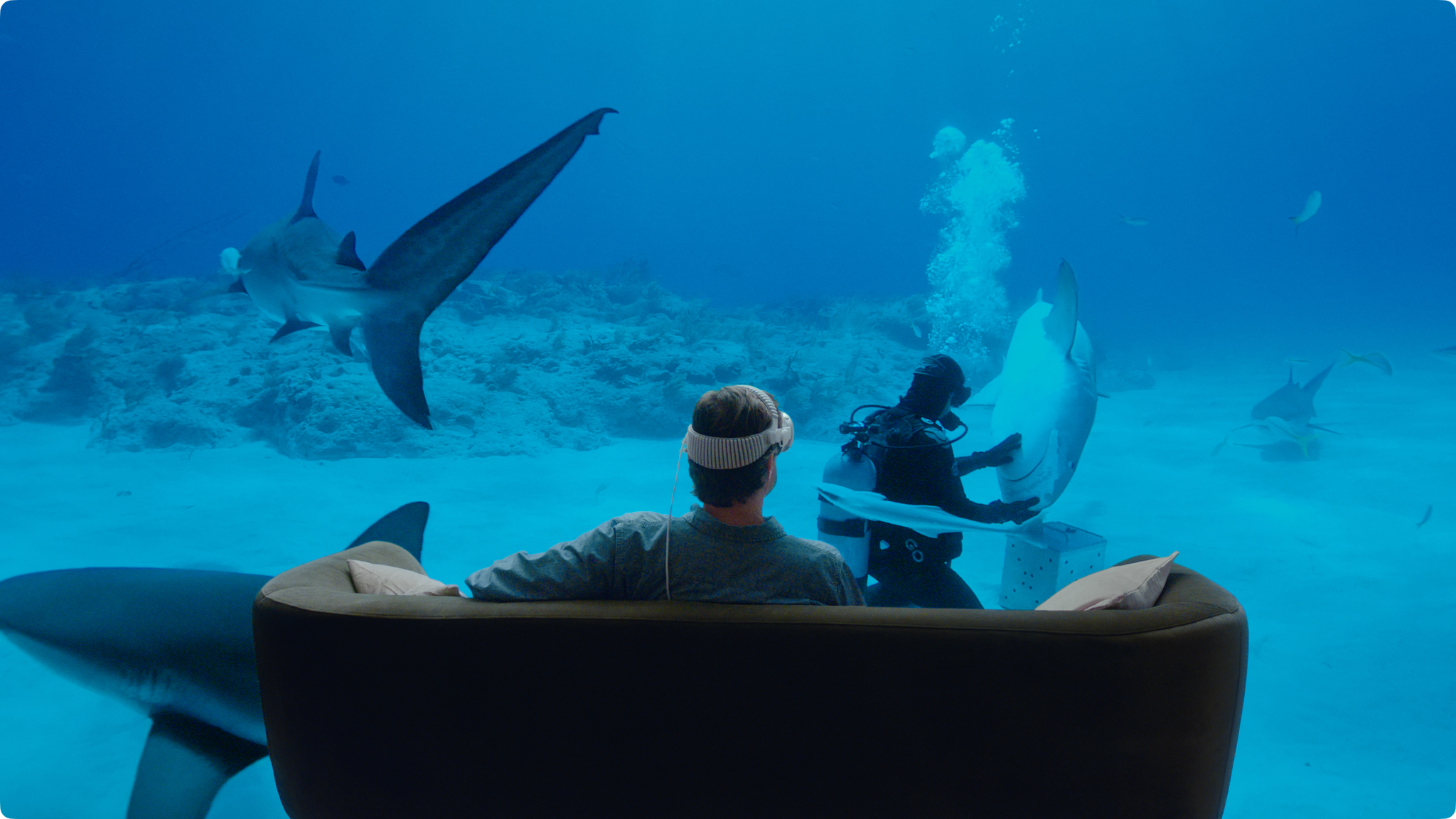
Apple Launches a Dedicated Home for Apple Immersive Video
This week at WWDC26, Apple introduced a new dedicated developer portal for Apple Immersive Video — a single destination for creators, developers, and production teams to learn about the format, explore what's new, and find tools, best practices, and documentation. It's the clearest signal yet that Apple wants the format used for more than first-party productions.
The portal brings together the full AIV stack in one place for the first time, with official specs now stated publicly: 90fps, greater than 50MP per eye, 60 pixels per degree acuity, and up to 230° field of view.
Apple describes AIV as a new creative canvas — one that places audiences directly inside the moment with unprecedented fidelity. Four qualities define the experience: presence, through high-resolution high-frame-rate capture that honors world scale and spatial relationships; authenticity, which brings new value that simply isn't possible with 2D media; proximity, letting audiences sit mere feet from wildlife in a documentary or feel the emotional power of subtle facial expressions; and connection, Apple Immersive Video creates genuine connection between viewers and your content. Through spatial audio that responds naturally to head movement and coherent world scale that honors human perception, audiences feel they're sharing space rather than observing from outside.
AIV Developer Portal | What's New | Resources
What's New in Apple Immersive Video
The WWDC26 updates push AIV from a capture-and-post curiosity toward a complete, broadcastable production pipeline. CineD's Nino Leitner put it well: "the toolchain argument is getting harder to dismiss." Five headline additions:
- Apple Immersive Live formats — A live streaming pipeline built on SMPTE 2110, transporting ProRes video, Spatial Audio, and calibrated lens metadata before encoding to MV-HEVC. Real-time events delivered at lifelike acuity and scale.
- ImmersiveMediaSupport on iPhone and iPad — The IMS framework, previously limited to visionOS and macOS, now extends to iPadOS and iOS through the same cross-platform API.
- Static foveation for distribution — Streaming AIV has always been technically hard. Static foveation preserves ~40 pixels per degree where viewers look — the same density as the original capture — while reducing to a streamable 4K frame size.
- Custom portal aspect ratio — Apps can now define a wide aspect ratio for portal viewing mode, solving the 16:9 cropping problem when users aren't in full immersion.
- ASAF Pro Tools AAX plugin updates — New scene compressor, enhanced heat map drawing, object positioning relative to reference video, DAW session state saving.
The Live AIV Ecosystem Is Taking Shape
Apple's live AIV pipeline doesn't exist in isolation. Two companies were specifically cited by Apple at WWDC26 as part of the immersive broadcast ecosystem:
SpatialGen — the company behind approximately 90% of all non-Apple-TV Apple Immersive Video streaming — has been building the cloud infrastructure for live AIV with their Zeus on-premise encoder. Their live demo achieved 4320×4320 per eye at 90fps — believed to be the first full-spec live MV-HEVC on Vision Pro. Watch the Spatial Insider interview
Ateme — a broadcast encoding company whose TITAN and NEA products handle SMPTE 2110-22 acquisition, MV-HEVC compression, HLS packaging, and ASAF/APAC audio, with ad insertion and NVIDIA-assisted pixel processing. Their involvement confirms the live AIV pipeline is being built on serious broadcast infrastructure. Sports Video Group
Back to top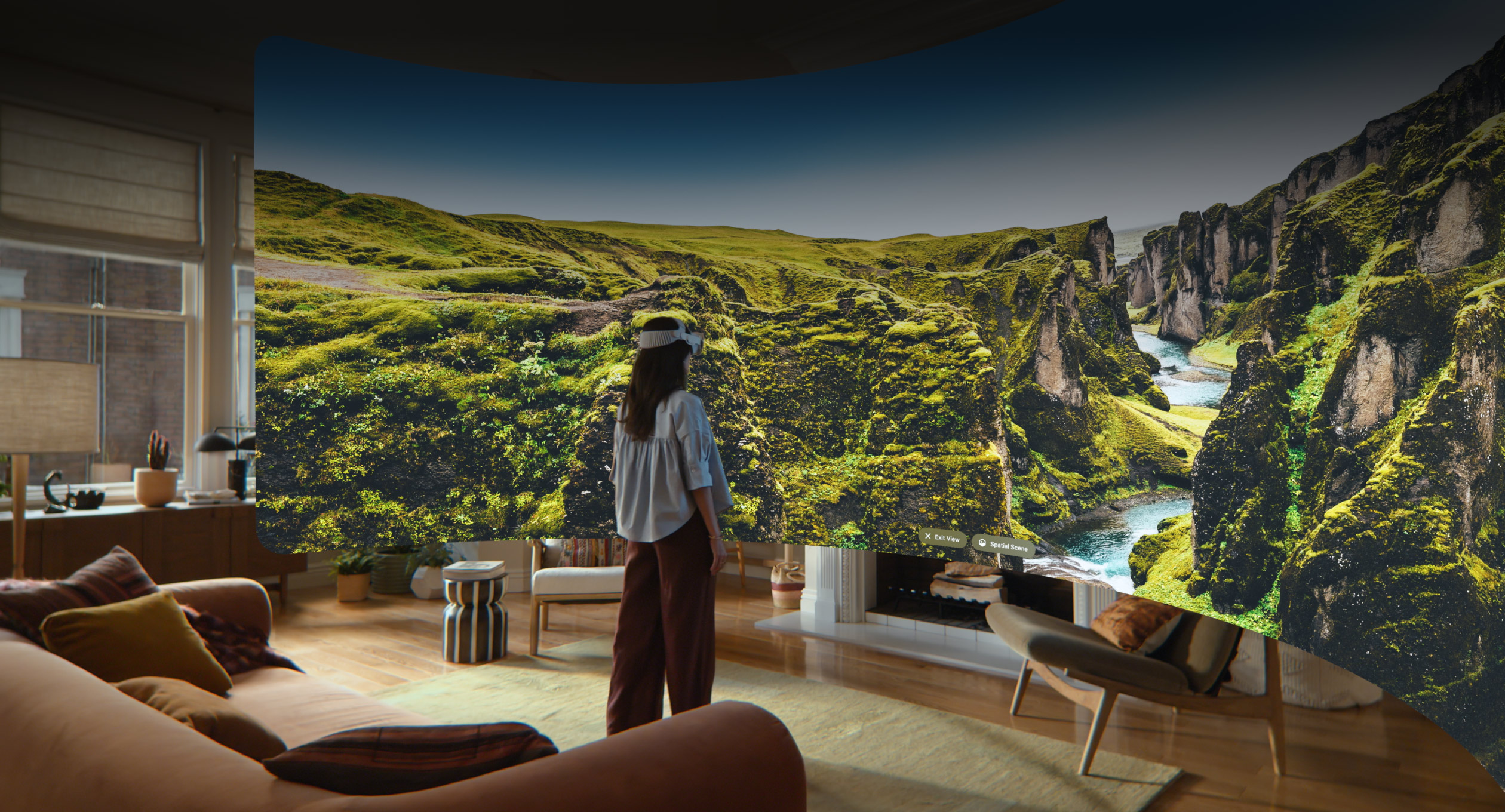
visionOS 27 — What's Coming This Fall
visionOS 27 Overview
visionOS 27 arrives this fall, with Siri AI coming in English later this year. The most relevant updates for immersive and spatial practitioners:
- Apple Immersive Video enhancements — Camera presentation commands for live production overrides; real-time AIV preview from Mac during editorial; custom compositor pipelines; wide-aspect ratio portal support
- Foveated Streaming framework — Session-based API for streaming from PCs, workstations, and cloud servers; OpenXR + NVIDIA CloudXR integration; bidirectional message channel with streaming endpoints; RealityKit spatial content alongside streamed content
- Immersive panoramas — Turn any panorama into a spatial scene and set it as a personal Environment
- New Environment — Thórsmörk — An Icelandic aurora with dynamic, shifting hues
- Reality Composer Pro 3 — Live Preview on Vision Pro instantly from Mac; faster scene iteration
- Enhanced object tracking — Dynamic experiences that instantly react as people pick up and interact with physical objects
- Siri AI / Visual Intelligence — Ask Siri about virtually anything just by looking at it
What's New in visionOS 27 | apple.com/os/visionos
In Conversation with Apple: What visionOS 27 Means for Spatial Computing
Justin Ryan of Spatial Insider sat down with Steve Sinclair, Senior Director at Apple responsible for visionOS product management and marketing, for a wide-ranging conversation on visionOS 27 — the platform's direction, Siri AI, immersive panoramas, Reality Composer Pro 3, and Apple's long-term commitment to spatial computing. He also asked directly about the Vision Pro rumors.
Back to top
WWDC26 Sessions & Resources
Two Sessions You Should Watch First
If you're building for live AIV or working on streaming immersive content, these are the essential WWDC26 sessions:
- Build Live Production Tools for Apple Immersive Video — Packaging immersive video, spatial audio, and scene metadata for IP transport via SMPTE 2110. Uses IMS, Video Toolbox, and AVFoundation for real-time workflows.
- Use Foveated Streaming to Bring Immersive Content to visionOS — How foveated streaming delivers remotely rendered scenes to Vision Pro in full fidelity, wirelessly. FoveatedStreaming framework + NVIDIA CloudXR SDK.
Also from WWDC26
- Design Immersive Environments for visionOS Apps and the Spatial Web — Photoreal environments for apps, websites, and SharePlay
- Explore Immersive Website Environments in visionOS — New Immersive API in JavaScript for real-world-scale web experiences
- Discover USDKit and What's New in OpenUSD
- Iterate Your Spatial Scenes Faster with Reality Composer Pro 3 — plus Extend with Xcode and Supercharge spatial workflows
Key Documentation
- What's New in visionOS 27 — The definitive WWDC26 reference
- Spatial and Immersive Media — Technology overview covering all visionOS video formats and the IMS framework
- Processing AIV with Foveation — Apple's official sample code: 10 billion pixels/sec reduced to streamable 4K while preserving perceptual resolution
- Apple Immersive Video Developer Portal — the new home for everything AIV
Full WWDC26 spatial computing session catalog: developer.apple.com/videos/spatial-computing/
Back to top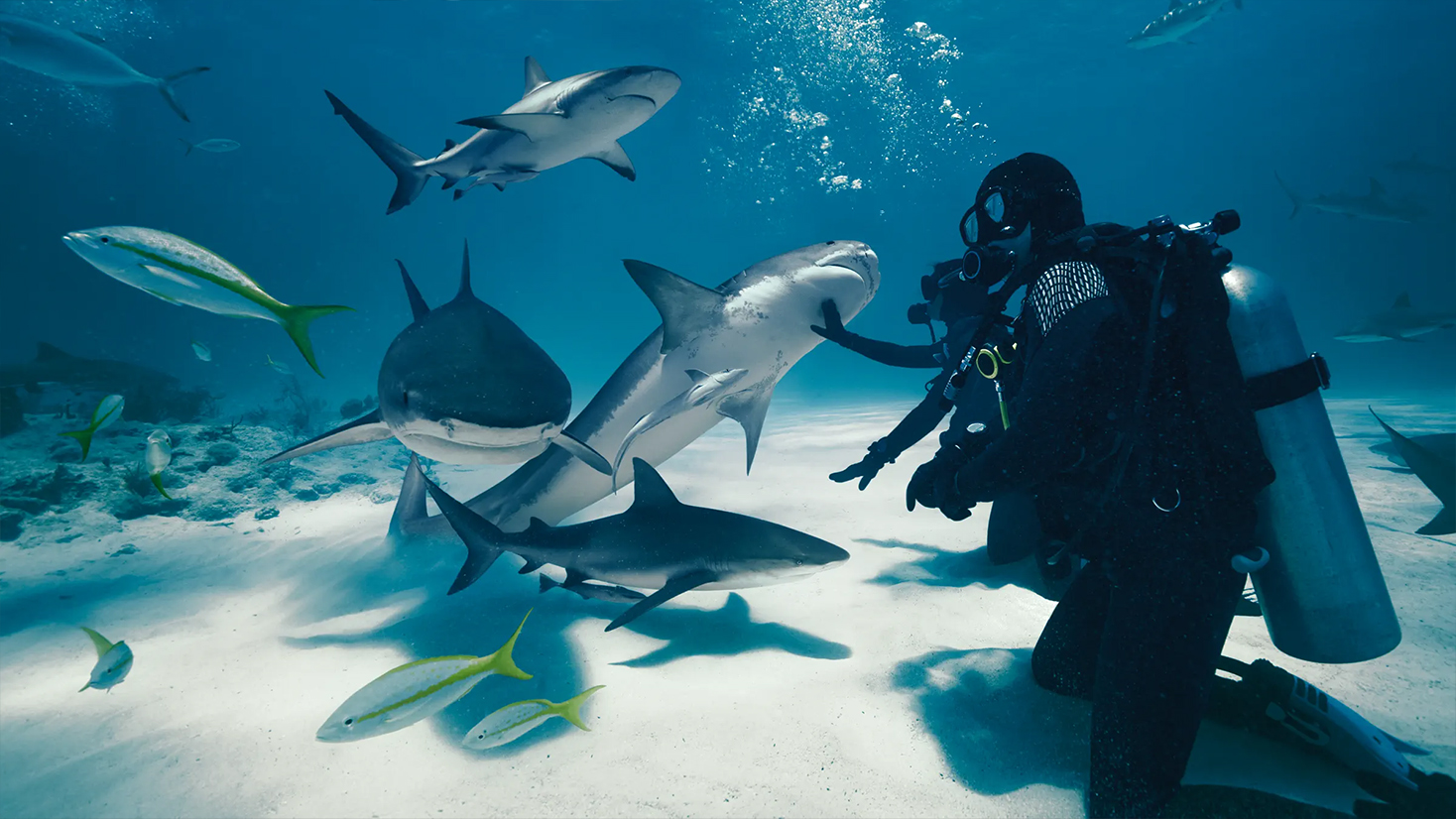
An Emerging Category
Physical Spatial Input Arrives for Vision Pro
Apple's Accessory Design Guidelines R30 adds a new section: Spatial Accessories — a developer preview category in visionOS 27. Spatial accessories provide inertial data, direct user actions, and a power-efficient synchronized infrared location reference. The device computes position and orientation in real time for use as spatial input. The use cases are industrial training, guided repair, medical education, design review, and spatial content creation.
Two companies are already building to this spec:
- Mikroe — Spatial Anchor S1 & R1 — Now available. Mount on any physical tool or instrument to make it trackable in visionOS. S1 is palm-sized with four infrared markers; R1 is larger with eight markers for wider-angle visibility. Combines infrared tracking, inertial sensing, and low-latency wireless.
- DFRobot — seeMote Cap & Cube — Coming Fall 2026. seeMote Cap attaches to tools for 6DoF motion input; seeMote Cube is a handheld device with buttons and haptics for prototyping spatial controls.
Apple's spec: Accessory Design Guidelines R30, Section 20 (PDF, p.135)
Back to top📱 Immersive Content Catalog
For a comprehensive, curated guide to Apple Immersive Video content and spatial computing apps, explore the full catalog at: